What we do
Hockey, scholarships and support beyond the pitch for 529 children in and around Nairobi.
What we do
Hockey as a springboard
Since 2014, KYHD has offered hockey training to children and young people aged 8 to 18 in Kenya. What began with ten barefoot children at City Park now reaches 529 children in eight programmes.
Together with local and international partners, including Dutch hockey clubs and companies, we keep growing to reach even more children.
On the pitch
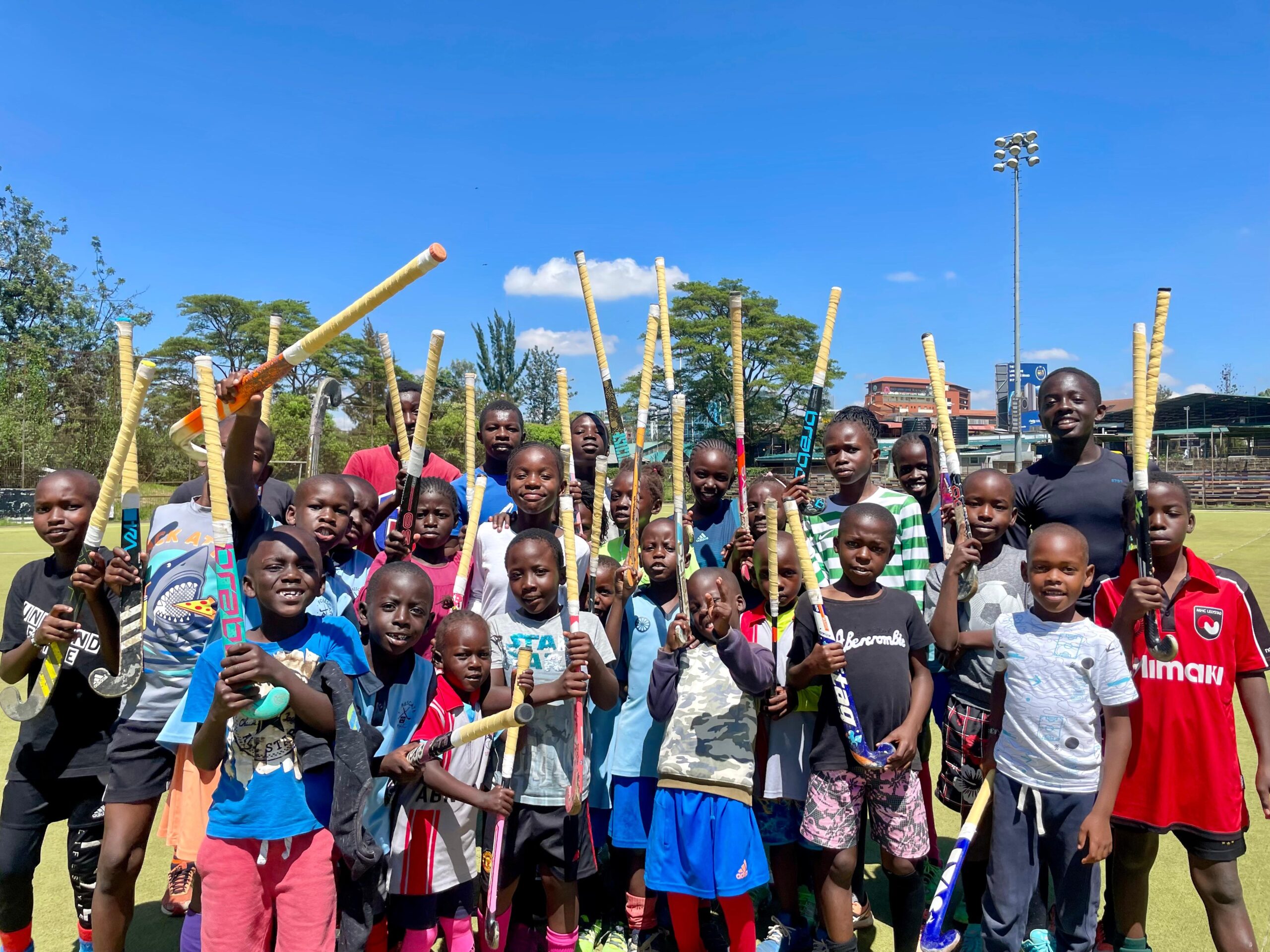
Weekly training in neighbourhoods in and around Nairobi, with equipment, transport, a hot meal and medical care.
In the classroom
Scholarships at boarding schools for talented players, and computer courses to widen their horizons.
Beyond the pitch
Mental resilience training and guidance that help children grow socially and emotionally.
Overview
Explore our work
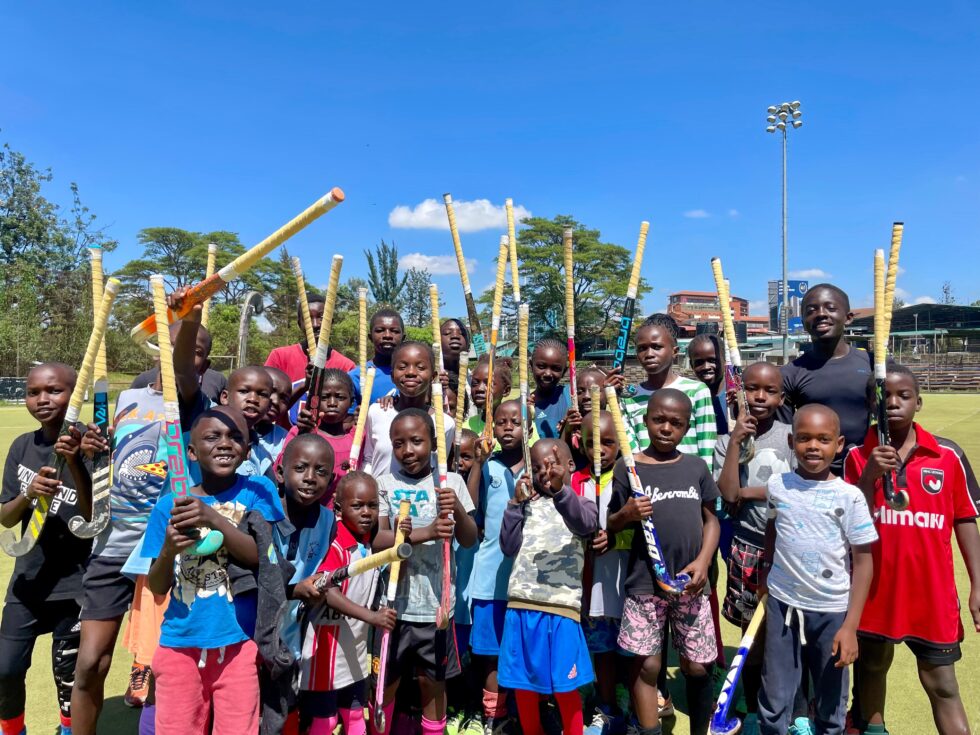
Hockey programmes
Weekly training at eight sites, with equipment, transport and a hot meal.
Read more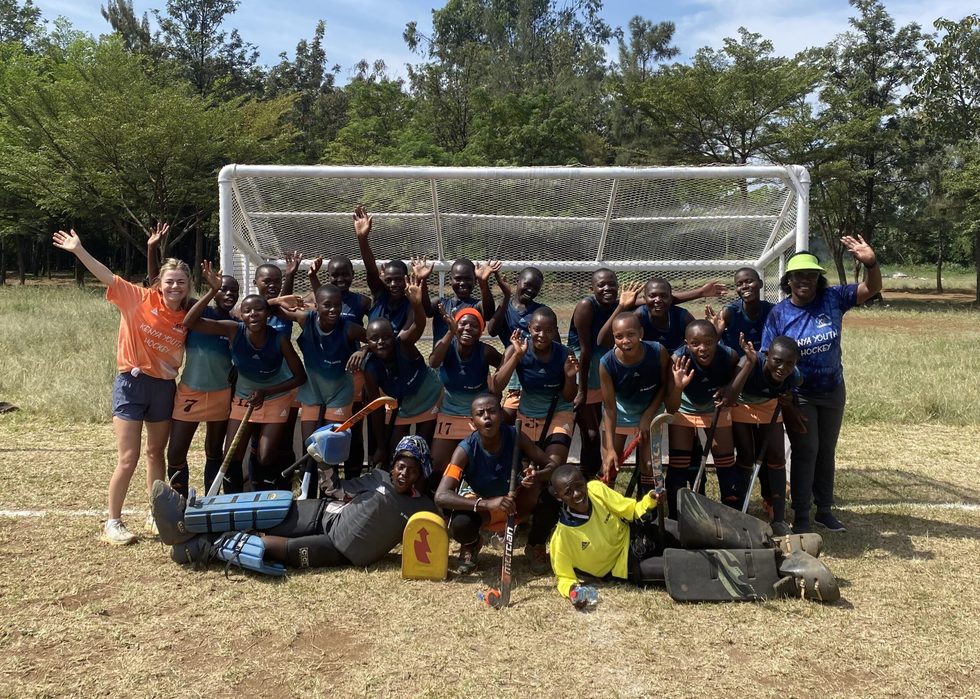
Scholarships
41 talented players attend boarding school, so sport and education go hand in hand.
Read more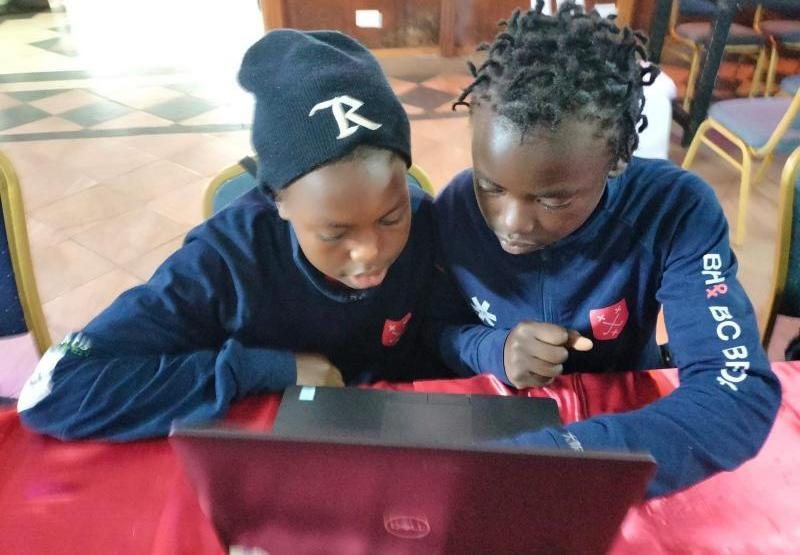
Beyond the pitch
Computer lessons, mental resilience and financial literacy as a foundation for later life.
Read moreWhat we do
Since 2014, the Kenya Youth Hockey Development Foundation (KYHD) has been offering hockey training to children and young people aged 8 to 18 in Kenya. What began with ten barefoot children in City Park, Nairobi, has grown into a nationwide initiative with more than two hundred participants.
Through hockey, we create new opportunities for children in vulnerable situations. In addition to sports, we offer support in education, mental health, and social development. This includes school scholarships, computer courses, mental resilience training, hot meals, and medical care.
Together with local and international partners, including Dutch hockey clubs and companies, we are building a solid foundation to grow our foundation and reach even more children.
Within the foundation, we distinguish between two types of programmes.
- The hockey programmes take place in various neighbourhoods in and around Nairobi. Here, children receive weekly training and guidance, both on and off the field.
- There are also scholarship programmes. These are intended for talented players who, thanks to their hockey skills, receive a scholarship to attend a boarding school.
Hockey programmes: City Park, Lenana, Obama, Impala, Mwiki
Scholarship programmes: Agenga, Musingu, Bungoma
What we do
Hockey Programmes
In 2025 we grew from five programmes to eight. Three new sites — Good Samaritan Home, Lukenya and Park Road — brought 118 children into the KYHD network for the first time.
 1
City Park
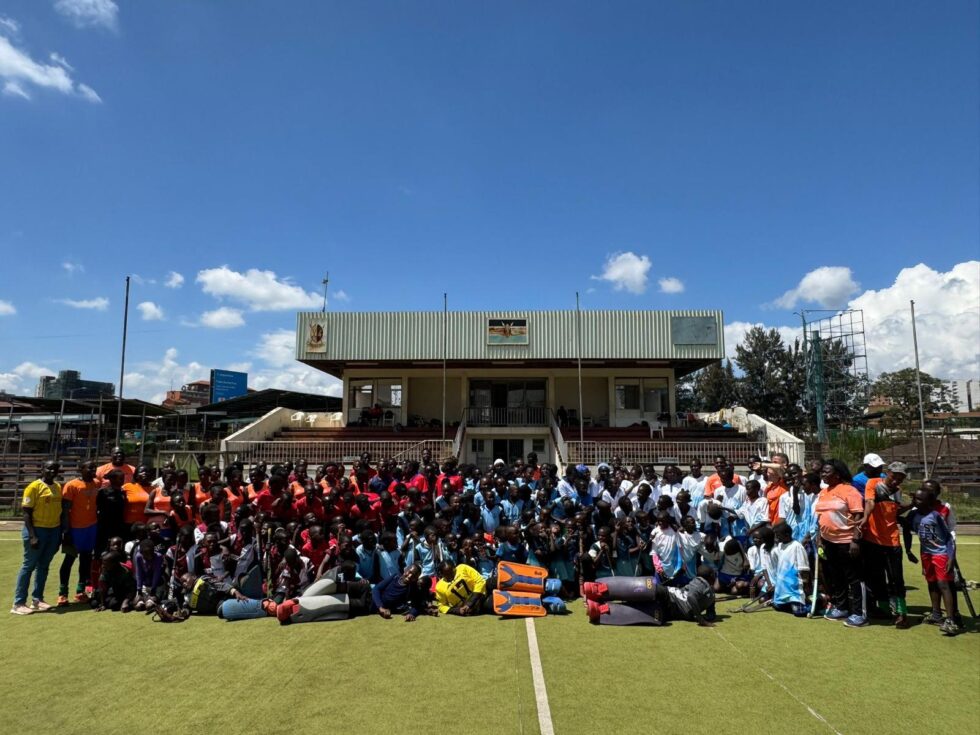
City Park, located in Westlands, Nairobi, is where it all began for KYHD. On the grounds of the Kenya Hockey Union, 96 children train here, with a hot meal afterward. It remains our largest and most established site, and the model for all programmes that have followed.
View programme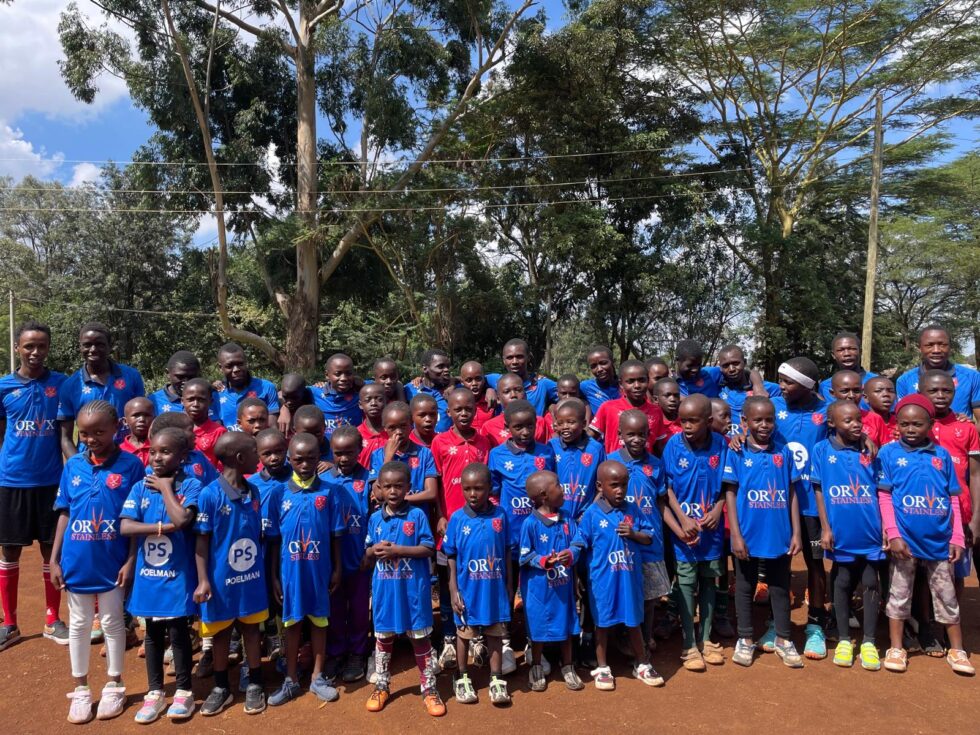 2
Lenana
In the Lenana neighbourhood, 52 children train several times a week. For years the programme was led by Moses, who started at the foundation as a child and played for the Kenyan national team. In late 2025 he was accepted into the Kenyan military; Leon has taken over as coordinator.
View programme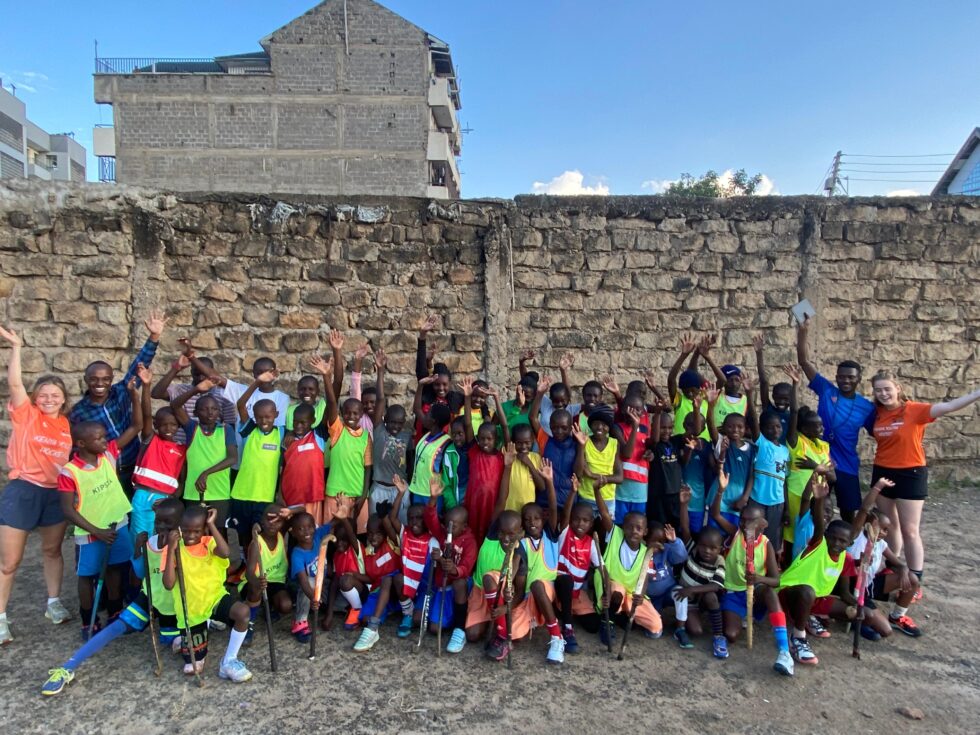 3
Obama
The Obama neighbourhood lies in eastern Nairobi. Here 89 children receive training under the guidance of our dedicated coach Mandela. He himself joined the foundation as a child. Early morning and evening sessions make the training fit around school.
View programme4Impala
At Impala Club on Ngong Road, 70 children train under the supervision of four coaches, with a notably balanced split of 46% girls. In addition to hockey training, the children receive computer lessons, and girls aged 10 to 14 attend mental health sessions led by our resident psychologist, Maria.
View programme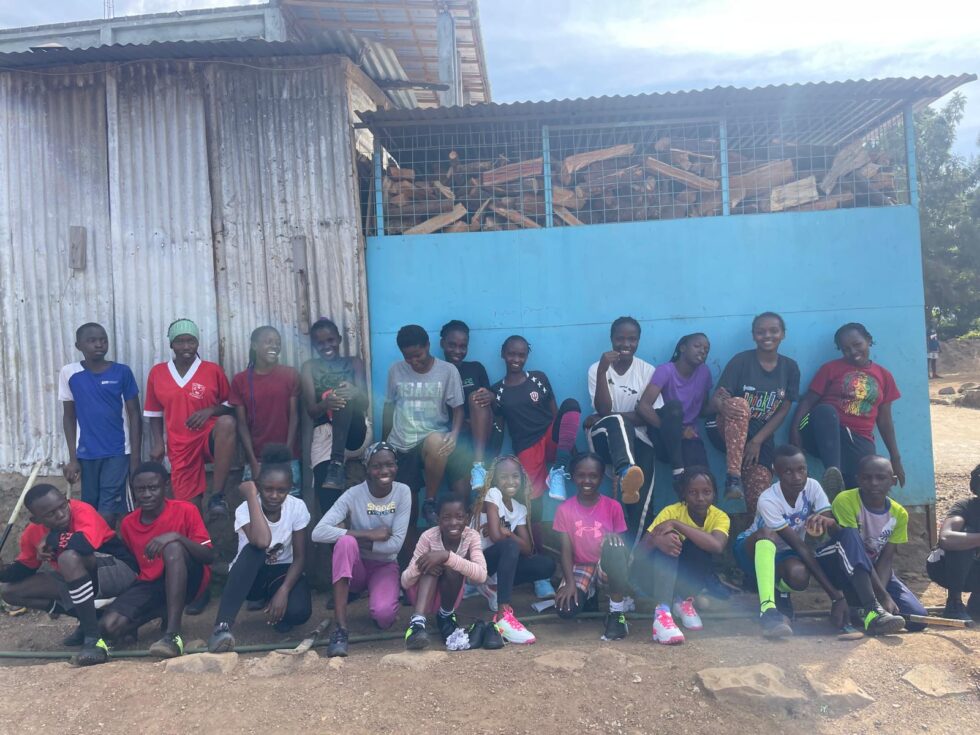 5
Mwiki
Mwiki is our most female-led programme: of its 63 children, 67% are girls. They train at Mwiki Secondary School under coaches who also teach there. Computer literacy classes launched here in 2025.
View programme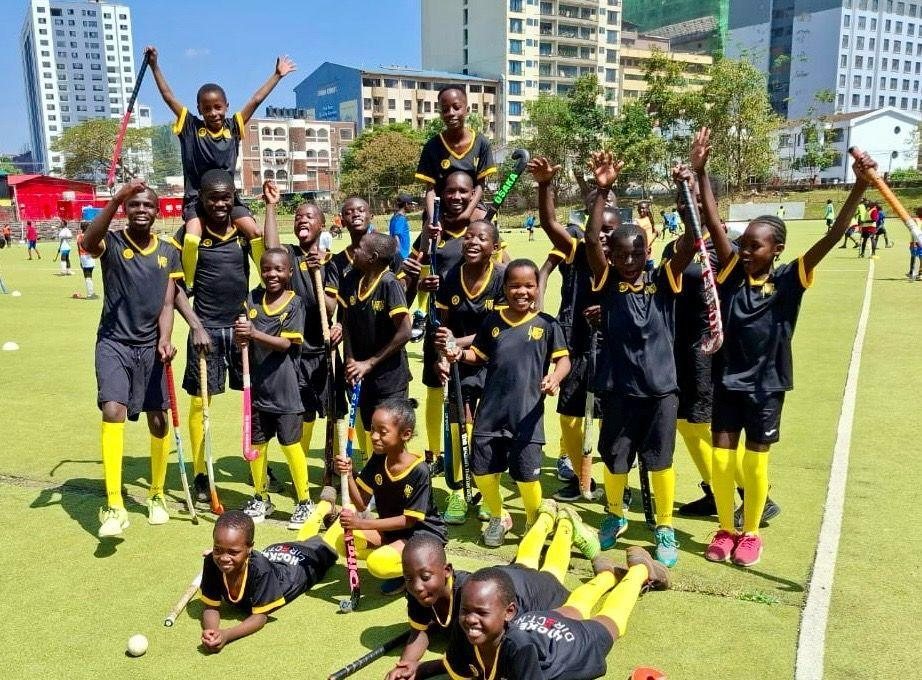 6
Good Samaritan Home
Good Samaritan Children’s Home in Soweto-Kayole has cared for orphaned children for over two decades. In late 2025 we launched a programme for 25 children that combines hockey with ICT classes — the first site to integrate sport and digital education from the outset.
New in 2025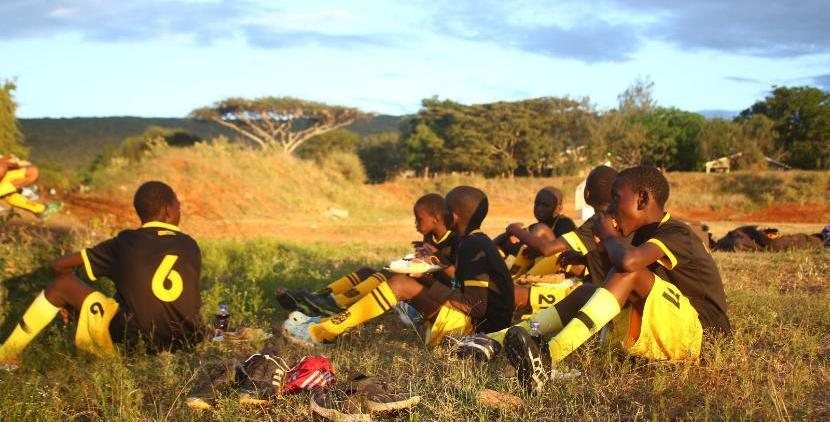 7
Lukenya
The programme in Athi River was born from the initiative of a local church community. Daystar University provided access to their hockey pitch. With 59 participants and six coaches led by Ian Orunga, Lukenya is one of our fastest-growing sites.
New in 2025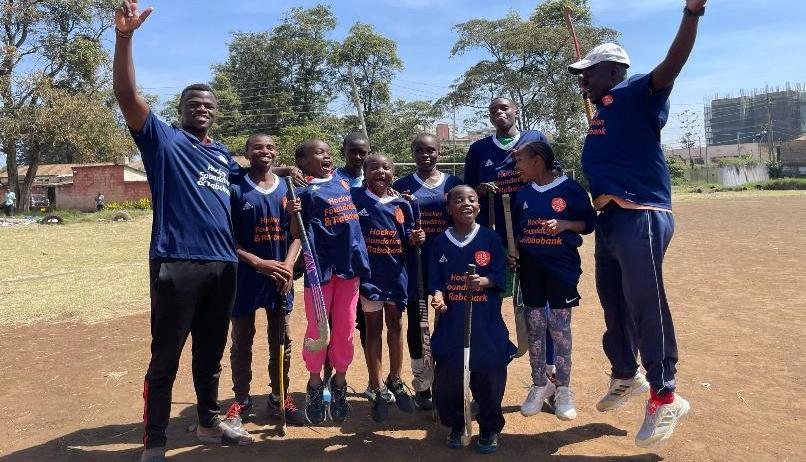 8
Park Road
Park Road in the Railway Quarters was founded by our coach Dave and his son Mattu, who grew up at KYHD and now represents Kenya in the national team. The programme reached 34 children in its first full year.
New in 2025Beyond the pitch
More than hockey
Hockey is at the heart of what we do, but it has never been the whole story. In 2025 three special initiatives gave children access to digital skills, mental health support and financial literacy.
Computer Learning Circus
Laptops from Rabobank Kenya and funding from Stichting Wierda-Baas enable structured digital literacy training for girls, aligned to the Kenyan curriculum. It is led by Ng’ara, who joined KYHD as a fourteen-year-old and is now an entrepreneur and computer tutor. In 2025 the programme expanded to Impala and Lenana.
Mental Resilience Programme
For girls aged 14 to 18, led by psychologist Maria and Coach Jacky. Twelve two-hour sessions cover personal hygiene, healthy relationships, substance safety awareness and academic goal-setting. Pre- and post-programme assessments show significant self-esteem growth.
Rabobank Hockey Stars Academy
Eight Rabobank employees led fifteen girls aged 10 to 14 from the Lenana programme through a month of sessions on personal development, financial literacy and teamwork. Participants gained a stronger understanding of saving and money management.
Sikh Union Series
Together with Sikh Union Club we launched a ten-day tournament at the Dashmesh Hockey Stadium. Six teams — three boys’ and three girls’ — and some 120 players played on a professional-standard astroturf pitch for the first time, with 80 spectators watching.
Scholarships
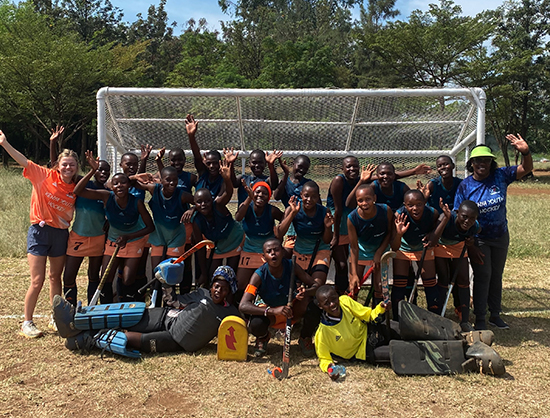
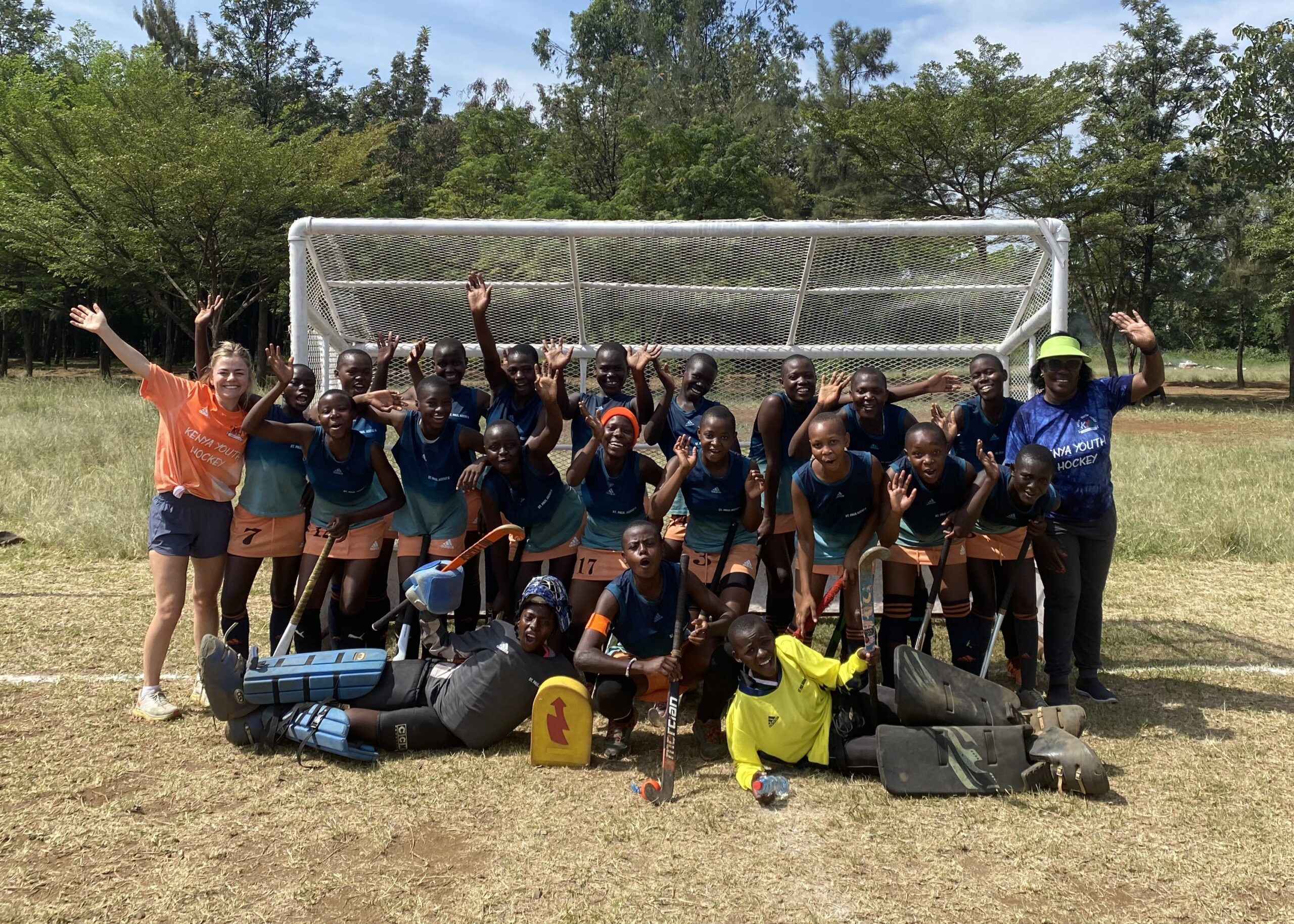
1. Agenga
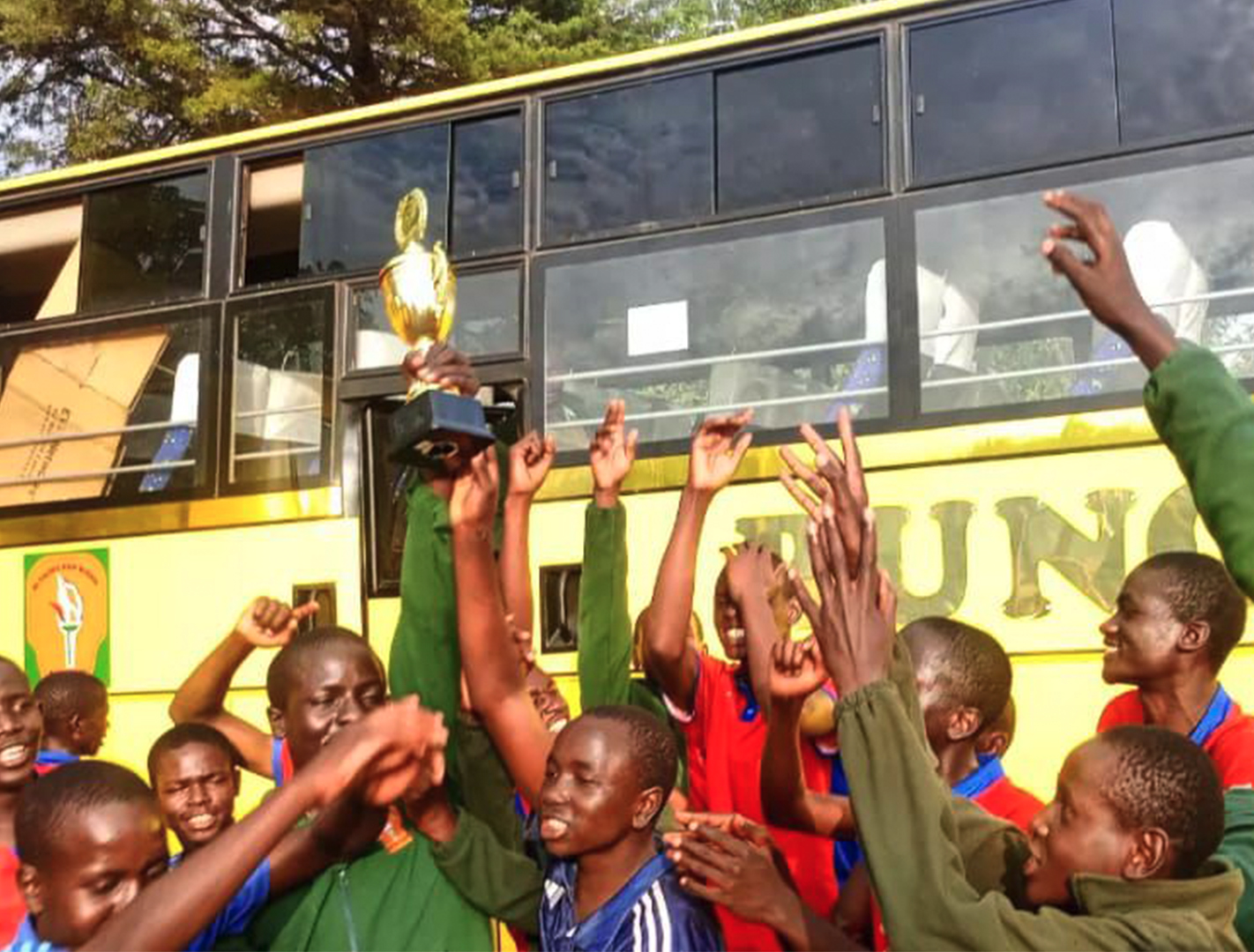
2. Misungu